Distribution

A new warehouse system in place of the old one, process by process

Receiving first, then picking, then shipping. Stock, locations and item data carry over in full, warehouse staff learn one zone at a time, and shipments go out every day throughout the rollout.

Does this sound like your warehouse?

A fifteen-year-old WMS and one person who understands it

Changes are made by an outside company that replies a week later. A new carrier, a new label type or a second warehouse is a quarter-long project.

Picking from a printout and a pen

A list from the printer, the picker ticks it off, someone types it into the system after the shift. The error surfaces at the customer, and system stock has not matched the shelf for two days.

Peak season means overtime and mistakes

Before the holidays there are three times as many orders, and the system cannot split picking into waves or add people without a week of training. Shipments run late.

Eight parts that make up the system

We fit the scope to your goods: one setup for pallets in a building-materials wholesaler, another for small electrical parts with thousands of item codes, another for food with batches and FEFO.

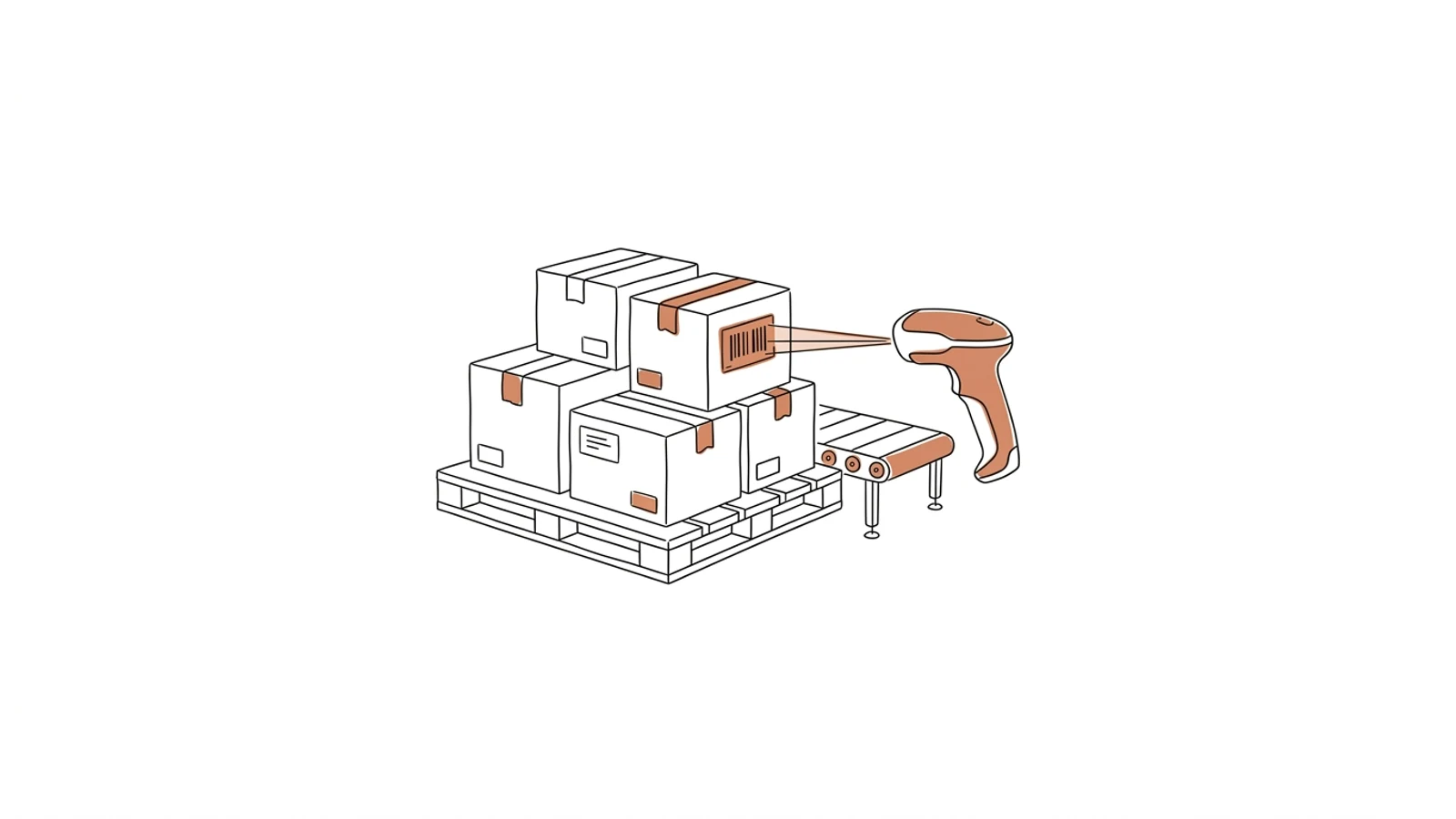
Scan-based receiving with delivery notices

Scan the carton or pallet, compare with the purchase order and the supplier's notice, print the location label. A discrepancy shows at the dock and reaches the buyer as a claim.

Locations and storage strategies

Fast-moving zones near packing, FEFO for dated goods, places for hazardous and oversized items. The system assigns the location and remembers where every batch sits.

Wave and path picking

Orders from the ERP and the B2B platform grouped into waves per carrier and departure time. A path through the locations, the scanner confirms each unit, case or pallet.

Packing and carrier labels

Contents checked by scan, carton size suggested, InPost, DPD, DHL or GLS label from the system, a consignment note for your own trucks. No opening the carrier's website.

Shipping and own transport

Loading by route, dispatch note and documents to the truck, proof of delivery on the driver's phone. A pallet that did not make it onto the truck is visible before departure.

Rolling stocktake

A few locations counted every day during picking. Closing the warehouse for the annual count stops being necessary.

Returns and claims

Scan-based return intake, a decision: back to the shelf, back to the supplier or to disposal. Linked to the original order, with a correction in the ERP.

Terminal on a scanner or a phone

The same interface on Zebra, Honeywell and a regular Android phone. Big buttons, works with gloves, offline mode in the cold store and in the yard.

What AI does in the warehouse

Three years ago features like these needed a data science team. Today language models read emails, documents and photos, and we build them into the system we make for you. Below is what makes sense in this solution. A person approves, AI prepares.

Delivery documents read at the dock

A photo of the specification or a PDF of the supplier invoice becomes a receiving list with batches. The warehouse worker scans and compares instead of re-keying.

Example a 45-line delivery specification → a receiving list ready for scanning, 2 lines outside the purchase order highlighted

Location and staffing suggestions

A turnover forecast from issue history shows what to move closer to packing before the season, and how many people tomorrow's shift needs, based on the orders in the queue.

Example an item moving 4× faster than a month ago → a proposal to move it to the fast zone, 3 pallets

Discrepancies caught earlier

Repeated corrections of the same location, receipts without a notice, picking taking twice as long as usual. An alert to the manager before the stocktake finds it.

Example the third stock correction in location C-08 this week → an alert with movement history and the people involved

Ask the warehouse

From the terminal, a phone or a rep in the office, in plain language. The answer comes from current stock, locations and the shipping queue.

Example "will order 8812 go out with DPD today?" → 80% picked, in the 15:00 wave, carrier pickup at 16:30

Effects you see in the first month

  • System stock matches the shelf, because picking goes through a scanner rather than a pen
  • A seasonal worker picks on their own on day two, because the scanner leads them through the locations
  • A delivery discrepancy reaches the buyer from the dock, not a week later at invoicing
  • A new carrier or a second warehouse is a change measured in weeks on your side, not a quarter-long project at an outside company
What it connects to

Works with what you already have

The ERP stays the source of orders, item data and invoices. Carriers, the B2B platform, BaseLinker and scanners connect to the WMS. From the old system we carry over the data, not the limitations.

Comarch ERP XLComarch Optimaenova365SAP Business OneSubiekt nexoSymfoniaWAPROStreamsoftInPostDPDDHLGLSBaseLinkerAllegroZebraHoneywell

Process by process, without stopping the warehouse

No "everything at once over the weekend" cutover. Receiving moves to the new system while picking and shipping run the old way. Each next process starts once the previous one works.

01

Analysis and warehouse map

We walk the warehouse with the manager. We write down zones, equipment, goods movements, the old WMS's integrations and what is missing most.
2–3 weeks
02

Receiving and locations

Scan-based receiving, locations, item data and stock carried over from the old system. The dock works in the new WMS, picking and shipping still in the old one.
8–12 weeks
03

Picking, packing, shipping

Waves, paths, carrier labels, own transport. Each process moves after the previous one is verified, zone by zone.
4–6 weeks each
04

Switching off the old WMS

The last stock carried over in full, with a control count on Monday morning. The old system stays in read-only mode for history.
1 weekend

Does your company run on Excel, emails and a system from years ago? We will build the solution that puts it in order, with AI inside from the start.

You have the diagnosis, we build the solution. Web applications, B2B portals and automations for companies without a large IT department. Today a system can read emails and documents, suggest decisions and answer customers on its own, so we build that in from the first version, not as an add-on a year later.

We agree scope, price and dates upfront, show progress every week, and the code and data stay yours.

  • scope, price and dates upfront
  • progress every week
  • your code and data

Common questions

Do we have to stop the warehouse for the rollout?
No. Processes move one after another, and the final stock migration takes a weekend. Shipments go out every day throughout the rollout.
What happens to the data in the old WMS?
Stock, locations, item data, batches and business partners carry over in full. Movement history stays in the old system in read-only mode or moves into the new one if you need it for claims and audits.
Does it run on our scanners?
On Zebra and Honeywell with Android, yes, no replacement needed. Older Windows CE terminals we check during analysis. Regular Android phones work right away, which helps in peak season.
Should the new WMS work with our ERP or replace it?
Work with it. Orders, item data and invoices stay in Comarch, enova or Subiekt. The WMS takes over what happens between the dock and the truck.
Who owns the code and what does maintenance cost?
The code and the data are yours, in your repository and database. Hosting and monitoring are a fixed monthly amount that depends on scale, with no per-user fees. Changes are billed by the queue you set.

Let's talk about your warehouse

You tell us what the old WMS blocks today and what a day at the dock looks like, we tell you which process to start with and how long it takes.

Write to us
or email hello@udb.pl hello@udb.pl